





HL7 · LIS · RIS · PACS · Hospital Information Systems

Healthcare IT, engineered by biomedical experts.

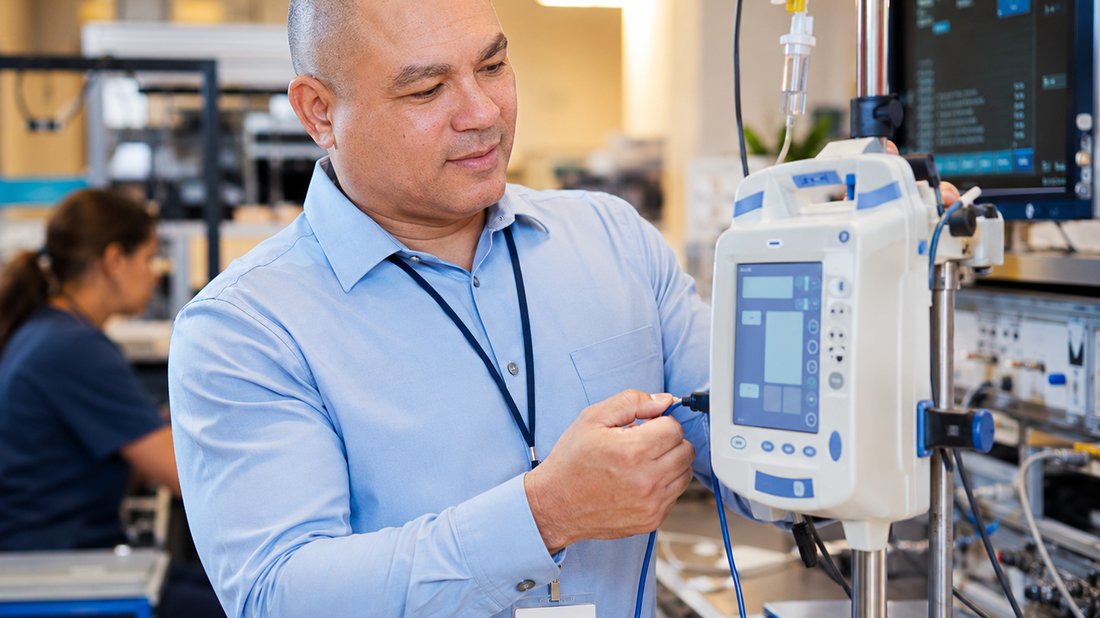
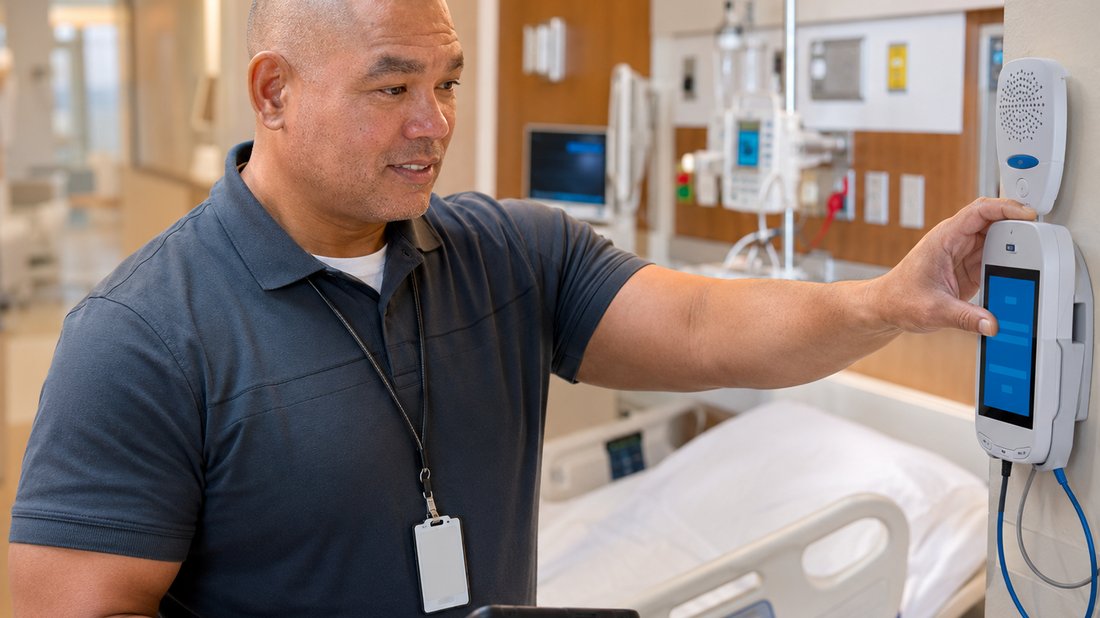
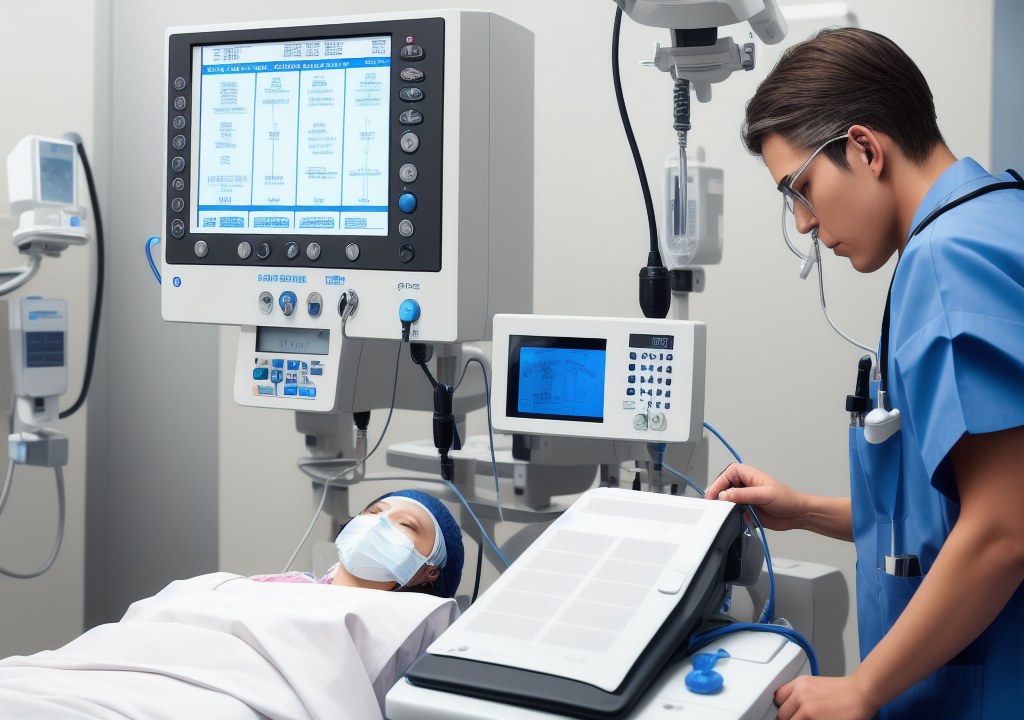
Information technology in a healthcare setting poses challenges unique to healthcare. BiomedRx Information Technology is the health-IT branch of BiomedRx — a team of experienced biomedical equipment technicians trained in the HL7 protocol, LIS, RIS, PACS, and all hospital information systems. Contact us for an evaluation and a turn-key solution built around your facility's needs.

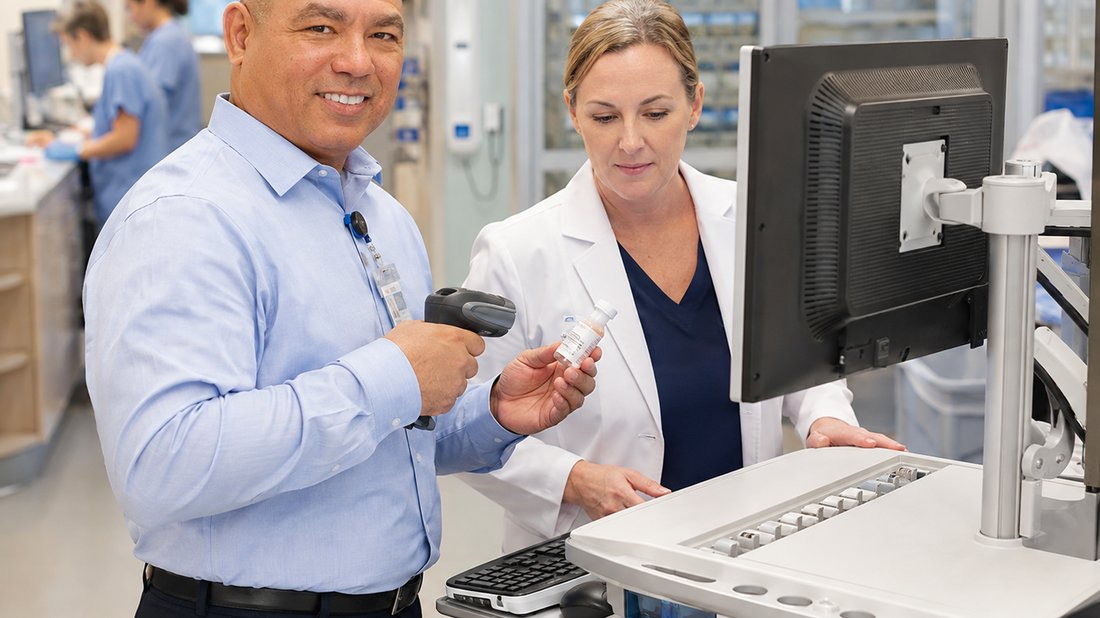
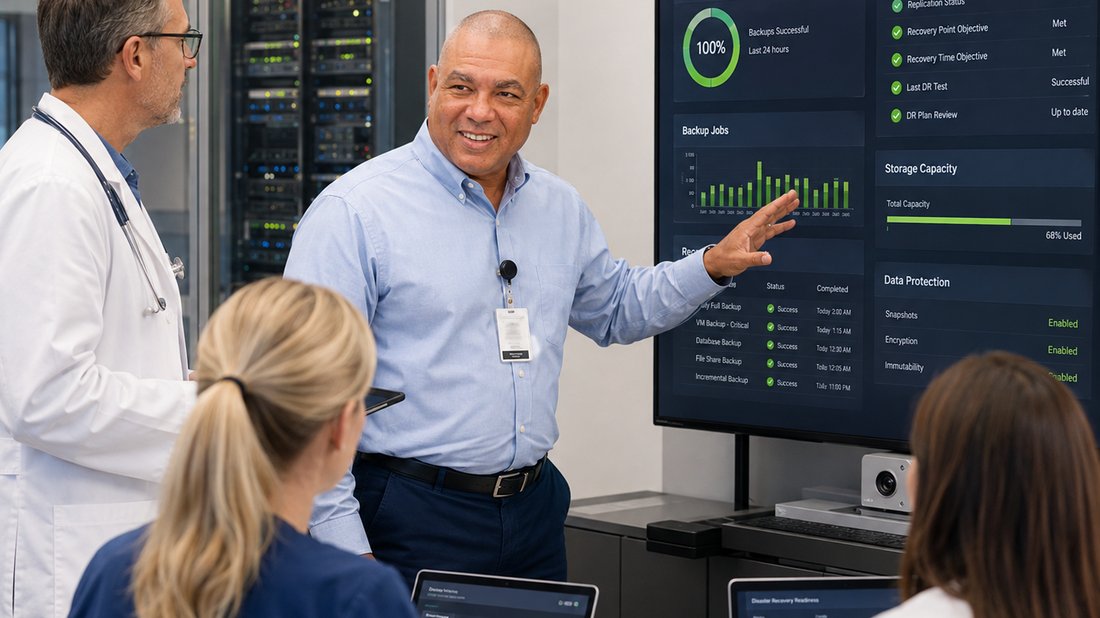
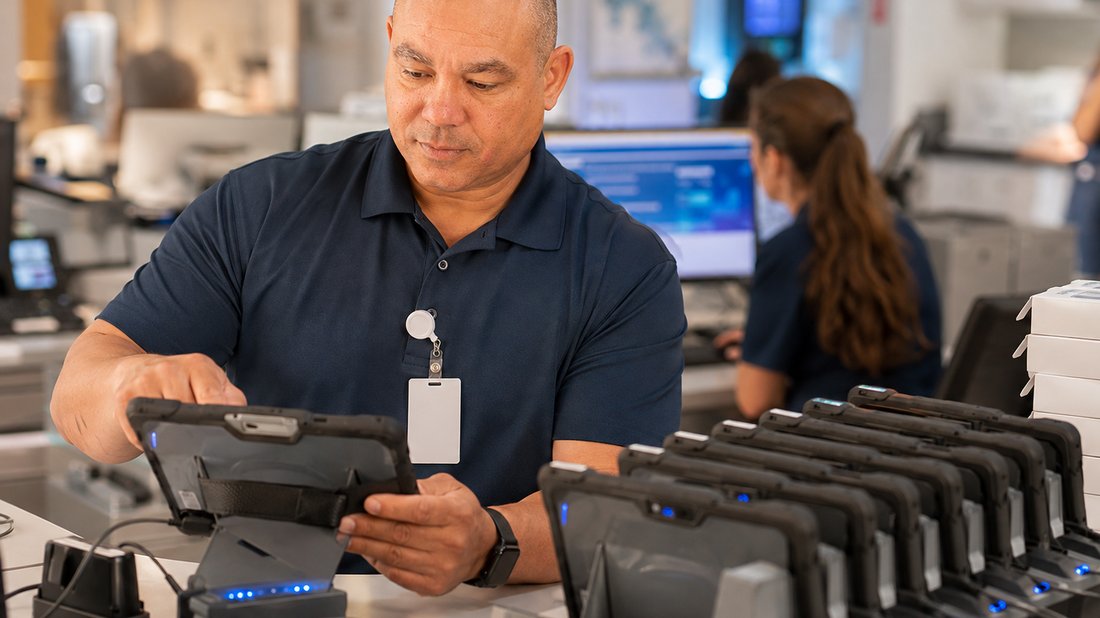
BiomedRx Information Technology — healthcare IT and connected medical equipment
500+
Connected Devices
HL7/FHIR
Certified
FDA
Compliance Ready
24/7
Support

Hospital & Healthcare IT Services

Integration, service, compliance, and support for healthcare providers and medical device manufacturers.

HL7, LIS, RIS & PACS Integration

Standards-based integration across the HL7 protocol, laboratory (LIS), radiology (RIS), and imaging (PACS) systems, and all hospital information systems.

Regulatory Compliance

Documentation to maintain compliance with the Joint Commission, NFPA 99, and all other regulatory agencies for your healthcare facility.

Service & Replacement

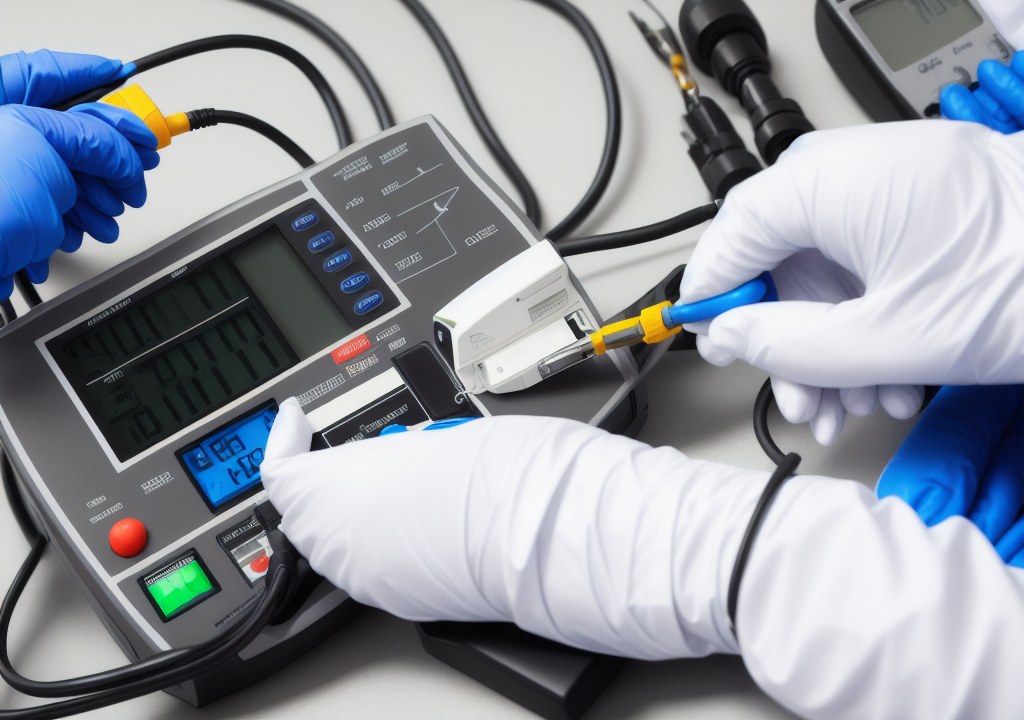
Service for the hospital IT and medical equipment you have in use today, plus field service for medical device manufacturers.

In-Service Education

On-site, in-service education for your staff to clarify hospital IT issues and keep clinical teams confident with connected systems.

Online Service Reporting & 24-Hour Support

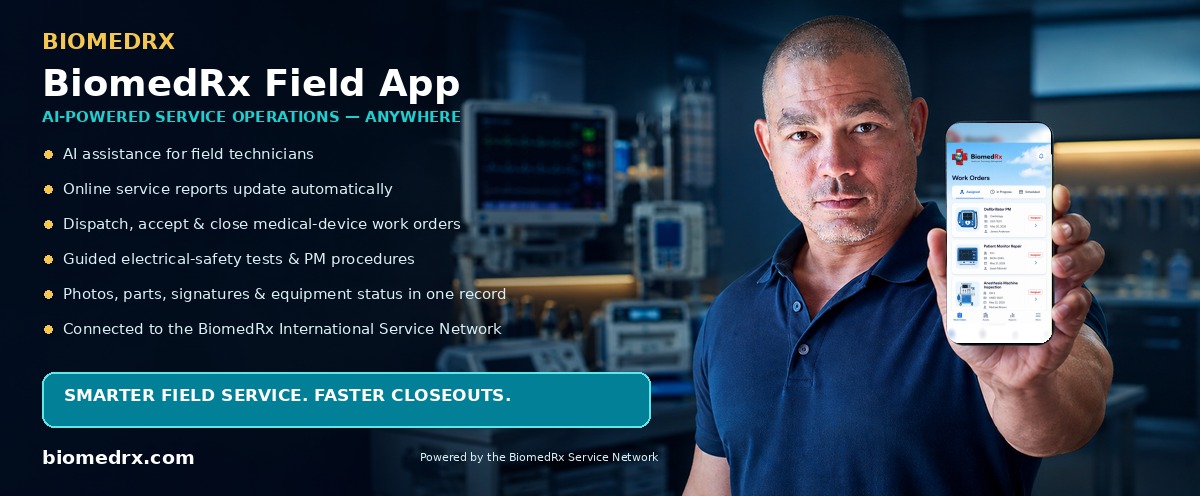
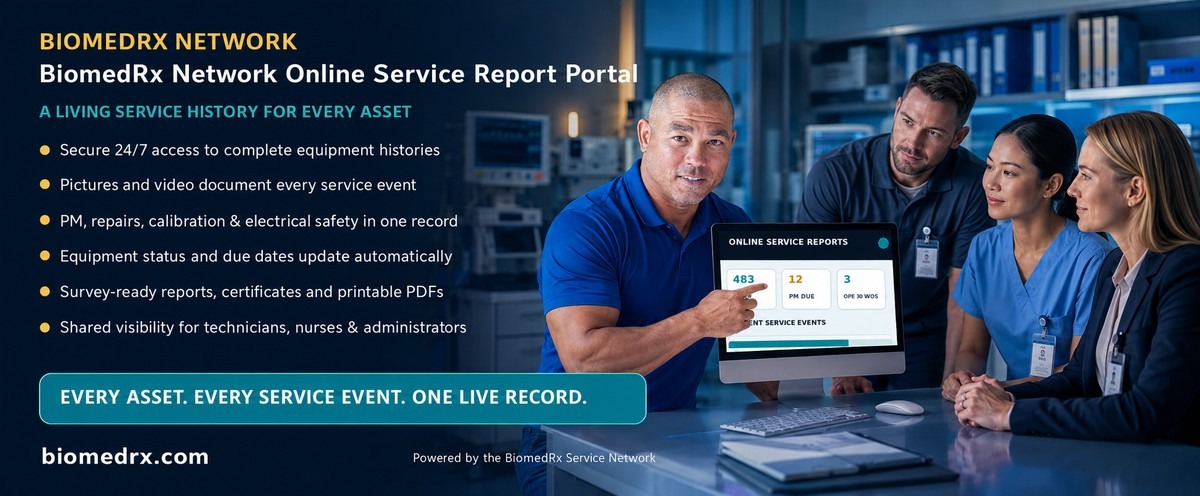
Online service reports with images and video where applicable, backed by support representatives available 24 hours a day.

Program Design & Implementation

Design and implementation of a comprehensive healthcare IT and medical equipment maintenance program tailored to your facility.

Healthcare Cybersecurity & IT News

FDA guidance, Joint Commission standards, and field case studies.

Educational

Ransomware Targeting Hospital Networks in May 2026: Biomedical Device Endpoints Are the Weak Link

Ransomware against healthcare has been a persistent and serious threat, and connected medical devices are a recognized area of concern because many run legacy operating systems, cannot be patched quickly, and often sit on the same networks as clinical and business systems. When device networks are flat and unsegmented, an intrusion that starts elsewhere can spread laterally, potentially disrupting imaging, monitoring, or other connected equipment and forcing facilities into downtime procedures.

Reducing that risk is a shared responsibility between IT and biomedical or clinical engineering teams. Widely recommended practices include maintaining an accurate inventory of connected devices, segmenting or isolating legacy and high-risk equipment, applying least-privilege and network access controls consistent with zero-trust principles, monitoring for anomalous traffic, and rehearsing incident response and clinical downtime plans. FDA guidance on medical device cybersecurity and resources from CISA and NIST provide frameworks that many health systems align to.

No single control eliminates ransomware risk, and specifics should be tailored to each facility's environment, device mix, and regulatory obligations. Organizations should coordinate with device manufacturers, follow current FDA and CISA advisories, and involve qualified security professionals when planning segmentation or architecture changes.

Sources: CISA; FDA; NIST

May 4, 202610 min read
Informative

Updating Your EHR/EMR Device Integration in May 2026: HL7 FHIR v2.0 Specification Changes Explained

HL7 FHIR (Fast Healthcare Interoperability Resources) is a widely adopted standard for exchanging healthcare data through modern web APIs, and it underpins a growing share of integrations between clinical systems, electronic health records, and connected devices. When integration profiles or specifications are updated, endpoints that send or receive diagnostic and therapeutic data may need to be reviewed for compatibility, because changes to resource definitions, terminology bindings, or conformance requirements can affect how systems interoperate.

A practical approach to any FHIR specification change is to start with an inventory of current integrations and the versions and profiles they rely on, then test against updated conformance resources in a non-production environment before rollout. Teams generally plan phased migration timelines, coordinate with EHR and device vendors, and validate that data mapping, security (including OAuth-based authorization and audit logging), and patient-safety-critical workflows still behave as expected. Backward compatibility is not guaranteed across all changes, so regression testing matters.

Because interoperability requirements interact with privacy and regulatory obligations such as HIPAA and, for certified health IT, ONC rules, organizations should confirm details against the official HL7 specifications and applicable federal guidance, and involve qualified integration and compliance staff rather than relying on summaries.

Sources: HL7 FHIR; ONC HealthIT.gov; NIST

May 11, 20269 min read
Field Notes

When IT and Biomedical Teams Don't Talk: The $200K Learning Moment That Changed One Hospital's Culture

This case describes a common organizational problem: when IT and biomedical or clinical engineering teams operate in silos, network and infrastructure decisions can be made without full visibility into how connected medical equipment behaves, occasionally putting critical systems such as imaging at risk. The reported dollar figure and specifics reflect one organization's experience and are illustrative rather than a universal benchmark, but the underlying lesson, that poor cross-team coordination creates real operational and patient-safety exposure, is well recognized in the field.

The convergence of healthcare IT and clinical engineering is increasingly treated as a governance issue, not just a technical one. Practices that help include shared device inventories and asset management, joint change-management and network-segmentation decisions, clearly defined roles and escalation paths, and combined incident response planning. Aligning to established cybersecurity frameworks from NIST and CISA and to FDA medical device security guidance gives both teams a common reference point.

Every health system's structure differs, so this account is best used as a prompt for internal review rather than a fixed template. Organizations should assess their own environment and involve qualified IT, biomedical, and security professionals when redesigning governance or network architecture.

Sources: NIST; CISA; FDA

May 18, 20267 min read

Request Healthcare IT Services

Tell us your connectivity, integration, or security challenge. We respond within one business hour during normal hours.

2026 Industry Update

What's driving hospital IT and healthcare cybersecurity this year.

A Tougher HIPAA Security Baseline Ahead

Federal regulators have proposed a significant modernization of the HIPAA Security Rule, moving toward mandatory safeguards such as encryption of electronic protected health information, multi-factor authentication, network segmentation, and continuous asset inventories. While the rule remains proposed and its final form and timing could still change, industry surveys highlight how hard it is for organizations to secure unpatchable, connected medical devices — precisely the intersection of biomedical and IT that we specialize in.

Interoperability Reaches National Scale

The nation's Trusted Exchange Framework and Common Agreement (TEFCA) network has grown rapidly, with health records exchanged surpassing the one-billion milestone. As interoperability standards and FHIR-based integrations continue to evolve, healthcare facilities need connectivity, integration, and compliance support to keep clinical and device data flowing securely.

Free Guide · PDF

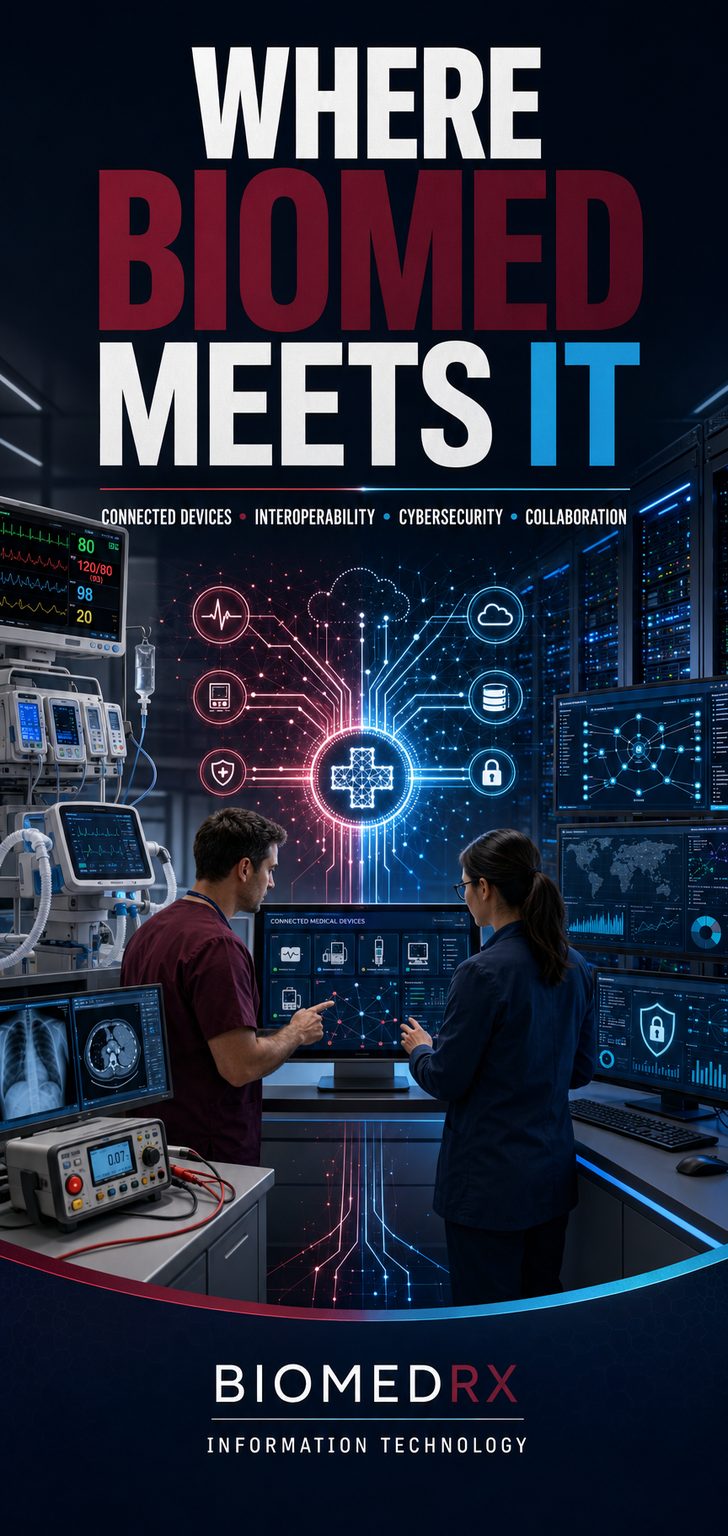
Where Biomed Meets IT

Download our free illustrated guide — practical, current, and written for 2026.

↓ Download the eBook
Watch

Videos

FAQ

Frequently Asked Questions

What does BiomedRx Information Technology do?
BiomedRx Information Technology is part of the BiomedRx family of companies. See the sections above for what we offer.
How do I get in touch?
Email info@biomedrxinformationtechnology.com or call (424) 204-2382.
Where can I learn more?
Explore the resources and free guide on this page, or join our newsletter for updates.
Do you serve my area?
Contact us and we'll confirm availability for your location.
Devin Lockett, Founder
About the Founder

Devin Lockett

Devin Lockett is the founder and entrepreneur behind this venture and the wider BiomedRx family of companies—spanning healthcare technology, wellness, media, and community initiatives. He builds brands focused on quality, service, and independent ownership.

Shop

Recommended on Amazon

As an Amazon Associate we earn from qualifying purchases. Prices and availability are subject to change.

Get cash back when you join Amazon Prime
View on Amazon →
Introduction to Medical Equipment Repair
View on Amazon →
Biomedical Device Technology
View on Amazon →
Biomedical Device Technology
View on Amazon →
CBET Exam Study Guide
View on Amazon →
CBET Exam Flash Cards
View on Amazon →
Repair and Maintenance of Medical Devices
View on Amazon →
Biomedical Equipment Technician
View on Amazon →
Biomedical Equipment Maintenance and Safety
View on Amazon →
Medical Equipment Maintenance Management and Oversight
View on Amazon →
Introduction to Biomedical Engineering Technology
View on Amazon →
Extending Equipment's Life Cycle
View on Amazon →
CBET Exam Study Guide 2025-2026
View on Amazon →
CBET Exam Study Guide 2025-2026
View on Amazon →
CBET Exam Study Guide 2025-2026
View on Amazon →
Careers as a Biomedical Equipment Maintenance Technician
View on Amazon →
CRES Exam Flash Cards
View on Amazon →
CRES Exam Study Guide 2025-2026
View on Amazon →
Introduction to Clinical Engineering
View on Amazon →
Biomedical Engineering Fundamentals
View on Amazon →
Clinical Engineering Handbook
View on Amazon →
Principles of Biomedical Instrumentation
View on Amazon →
Introduction to Biomedical Instrumentation
View on Amazon →
Maintenance of Medical Technology
View on Amazon →
Introduction to Biomedical Engineering Technology
View on Amazon →
Jensen Biomedical Equipment Maintenance Technician Toolkit
View on Amazon →
Pro's Kit Electronics Toolkit
View on Amazon →
Duratech 497-Piece Mechanics Toolkit
View on Amazon →